Everything You Need to Know About CBD
September 1, 2026
CBD
September 1, 2026

Content
12 min read
Key Takeaways
- CBD, or cannabidiol, is a naturally occurring cannabinoid found in Cannabis sativa that does not produce the intoxicating effects typically associated with THC.
- Common CBD formats include full-spectrum, broad-spectrum, and isolate products, which differ in the other cannabis compounds they contain.
- CBD is sold in oils, topicals, gummies, vapes, and other formats, but effects, onset time, and dosing can vary considerably by product and individual.
- CBD can cause side effects and interact with medications, and federal rules for CBD products are more complex than the basic federal definition of hemp.
We understand that CBD products are new to a lot of people. Figuring out where to start can be daunting, especially with the amount of misinformation out there. At Apotheca, we want to help you find the best natural products to support your health and wellbeing. We’ve put together a quick guide that answers some of the most common questions we receive from first-time customers. We hope this gives you a good place to start as you begin your journey to better wellness with us.
What is CBD?
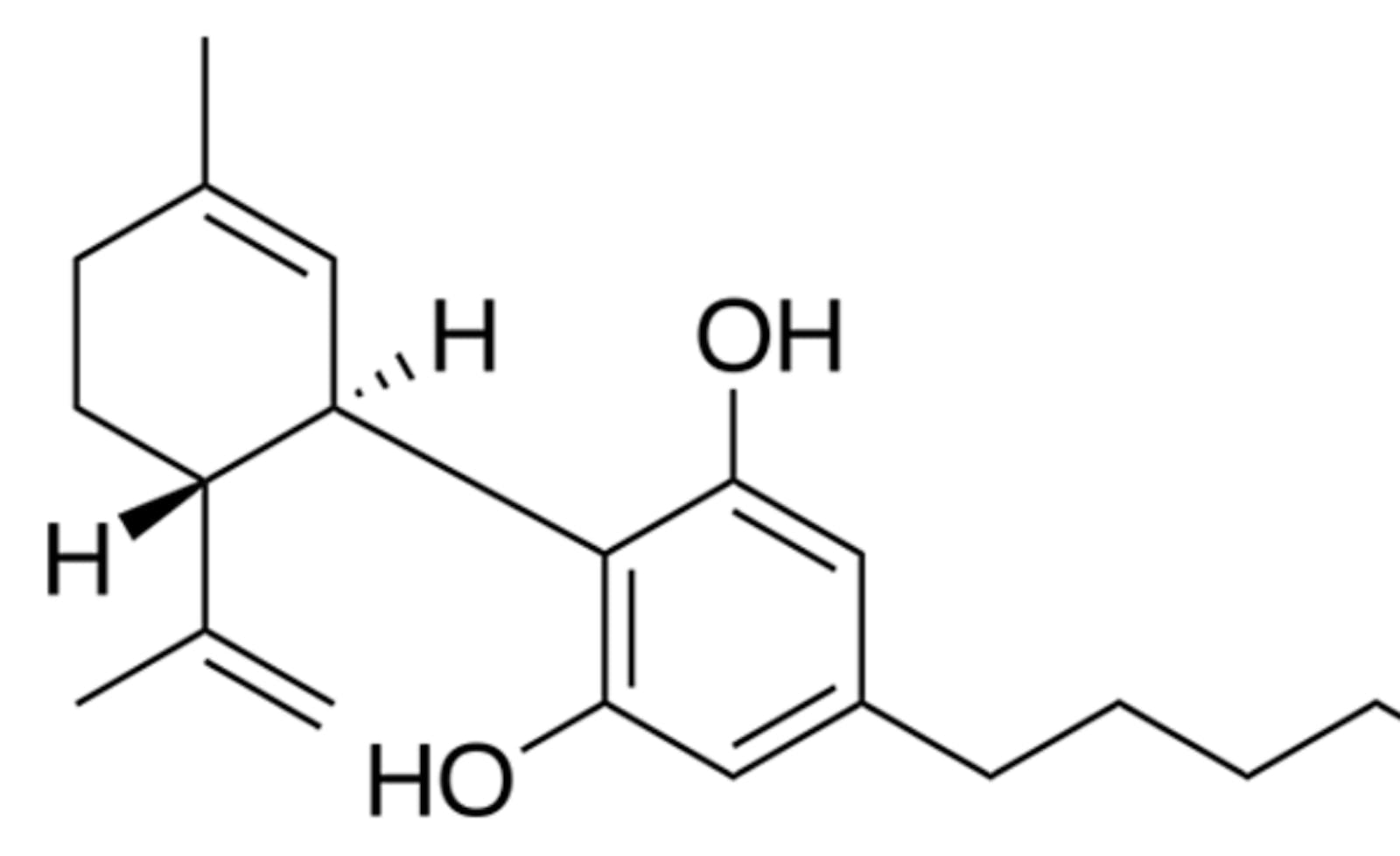
Cannabidiol (CBD) is a naturally occurring compound found in the cannabis sativa plant. It is one of over 100 cannabinoids identified in the plant. Unlike delta-9 THC, CBD is not considered intoxicating and does not typically produce the characteristic “high” associated with THC. As a result, CBD products are commonly used for various applications without causing a "high."
Comparing CBD to Other Cannabinoids
CBD, or cannabidiol, is one of many cannabinoids found in the cannabis sativa plant. While each cannabinoid interacts with the body differently, understanding these differences can help you choose the right product. Here’s a brief comparison of CBD with other notable cannabinoids:
- Delta 8 THC: Delta 8 THC is a psychoactive cannabinoid similar to Delta 9 THC but is known for producing milder effects. Unlike CBD, which is non-psychoactive, Delta-8 THC can produce a subtle "high."
- Delta 9 THC: Delta 9 THC is the primary psychoactive component in cannabis, responsible for the "high" associated with cannabis-derived products. It directly binds to CB1 receptors in the brain, unlike CBD, which interacts indirectly.
- THC-V (Tetrahydrocannabivarin): THC-V is a lesser-known cannabinoid that interacts with both CB1 and CB2 receptors. It’s distinct from both CBD and Delta 9 THC in its effects and chemical structure.
- HHC (Hexahydrocannabinol): HHC is a hydrogenated form of THC, which gives it a different chemical structure. Unlike CBD, which is non-psychoactive, HHC may produce psychoactive effects similar to THC.
- CBG (Cannabigerol): CBG is often referred to as the "mother of all cannabinoids" because other cannabinoids, including CBD and THC, are derived from CBGA (the acidic form of CBG). Unlike CBD, which is more abundant, CBG is typically found in smaller quantities in the cannabis sativa plant.
- THCA (Tetrahydrocannabinolic Acid): THCA is the non-psychoactive precursor to THC. It becomes psychoactive only when heated, converting to THC. This makes it different from CBD, which does not require such activation and remains non-psychoactive in all forms.
- CBN (Cannabinol): CBN is typically found in older cannabis plants and has mild psychoactive properties. CBD and CBN may affect people differently, and research into CBN’s potential sedating effects remains limited.
Will CBD Get Me High?
CBD itself does not produce the intoxicating “high” associated with THC. The euphoric high associated with marijuana is the result of THC. The key difference between CBD and THC lies in their interaction with the body's cannabinoid receptors. While THC binds directly to CB1 receptors in the brain, CBD interacts differently. Unlike THC, CBD is not psychoactive.
However, some full-spectrum hemp products may contain small amounts of THC. Product composition varies, so consumers who want to avoid THC should review the certificate of analysis and product labeling carefully.
By legal definition, hemp contains 0.3% or less THC by dry weight. That federal threshold distinguishes hemp from marijuana under U.S. hemp law, but it does not guarantee that every finished hemp-derived product will be appropriate for every consumer or unable to affect a drug test.
At Apotheca, we require all of our partner companies to submit third-party laboratory tests confirming their products have 0.3% or less THC. If that threshold is still a concern for you, we offer a wide range of THC-free products.
Are CBD Products Legal?
The legal status of CBD depends on how the CBD was derived, how the finished product is formulated and marketed, and the laws of the state or locality where it is sold.
Cannabis sativa is a plant grown all over the world. It is divided into two categories: marijuana and hemp. The Agriculture Improvement Act of 2018, also known as the Farm Bill, legalized the cultivation of hemp in the United States, provided it contains no more than 0.3% THC by dry weight. That change removed qualifying hemp from the federal Controlled Substances Act definition of marijuana, but separate FDA rules still apply to CBD in foods, dietary supplements, drugs, and other regulated products.
However, there are some cities, counties, and states where CBD and hemp products are banned or restricted. It is always a safe bet to check local regulations before buying CBD products.
What Does CBD Do?
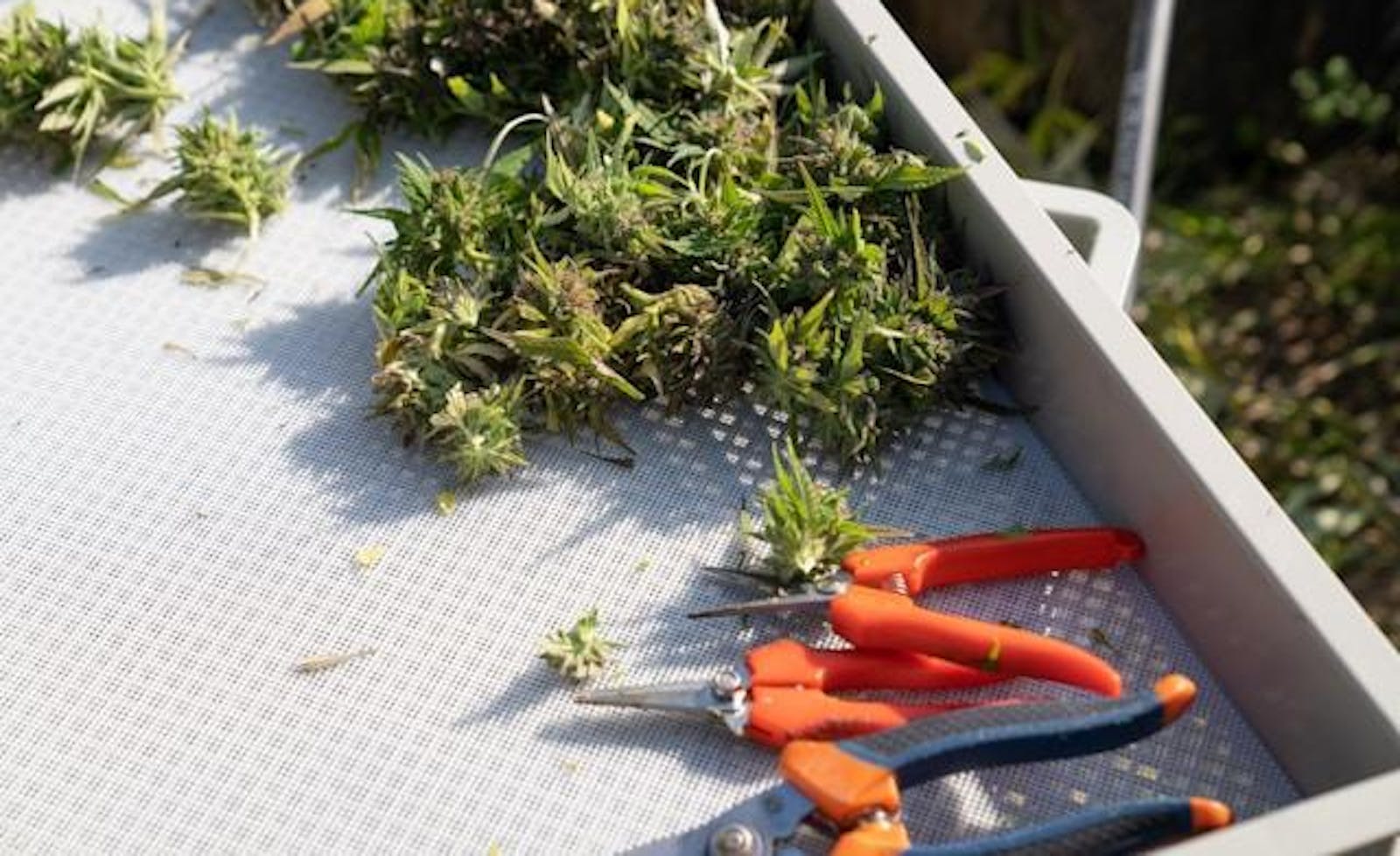
The science behind the effects CBD has on the body is still relatively new. We know cannabinoids interact with a system in the body called the endocannabinoid system, but that system was only discovered in the 1990s. This time constraint alone means it is not nearly as well-understood as other bodily systems like the nervous system and digestive system.
CBD's Interaction with the ECS
The endocannabinoid system, or ECS, helps regulate several physiological processes and contributes to maintaining homeostasis in the body. When something falls outside a perfect medium zone—for instance, if you're too hot or too cold—the endocannabinoid system kicks in to bring you back to equilibrium.
The ECS consists of three main components: endocannabinoids, enzymes, and cannabinoid receptors. Endocannabinoids are molecules naturally produced by the body that bind to these receptors, while enzymes break down these molecules once they've fulfilled their role. The cannabinoid receptors—namely CB1 and CB2—are found throughout the body, including in the brain, immune system, and peripheral organs.
Role of CB1 and CB2 Receptors
The CB1 receptors are mainly located in the central nervous system and are involved in regulating mood, memory, and pain perception. CB2 receptors, on the other hand, are more abundant in the immune system and influence inflammation and immune responses. CBD does not interact with these receptors in exactly the same way as THC, and researchers continue to study its broader effects on the ECS and other signaling systems.
What is CBD Used For?
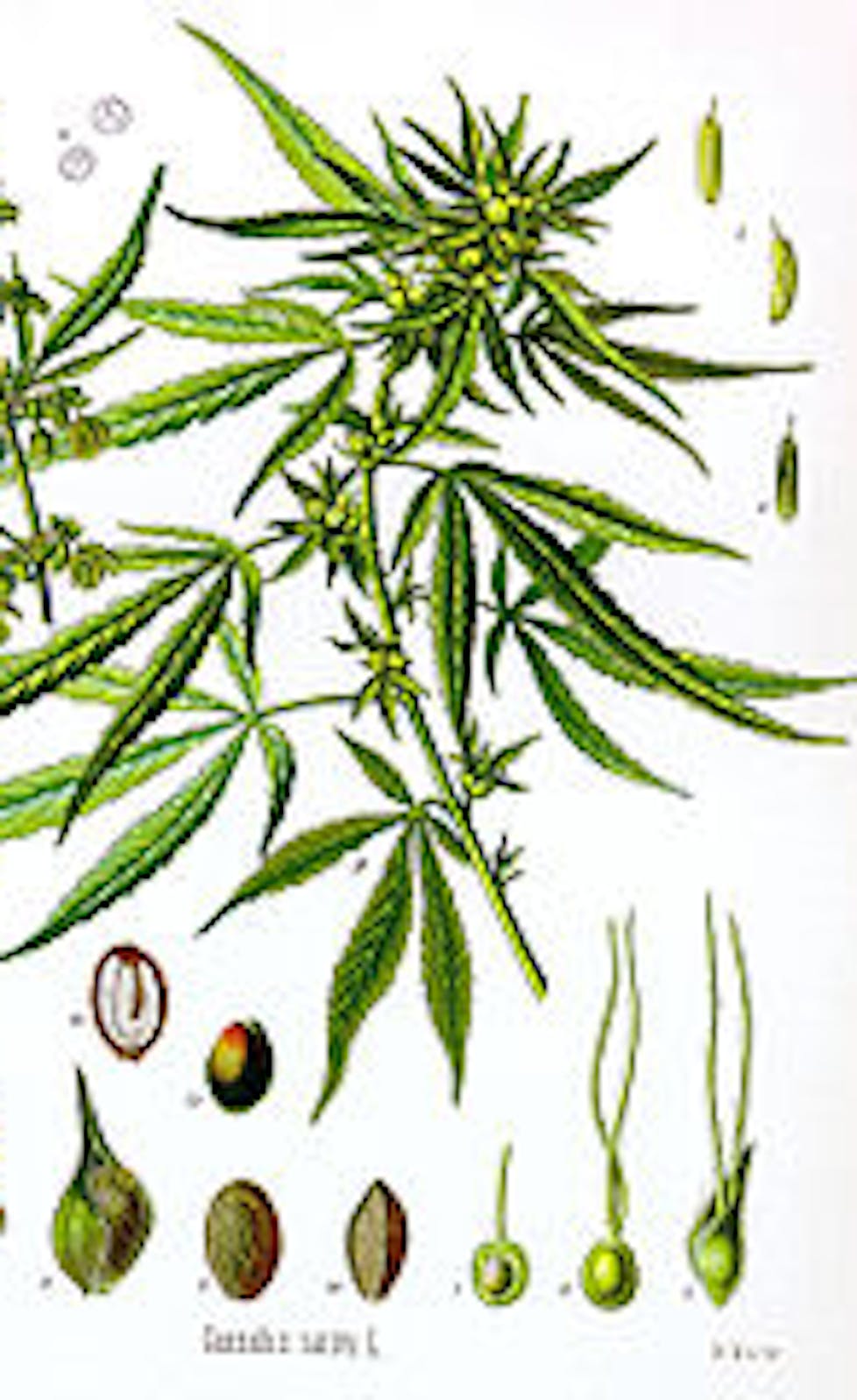
Hemp has had a part in folk medicine practices around the world for thousands of years. The first recorded use of medicinal hemp dates back to roughly 2300 B.C.E. in China—when Emperor Shen Nung prescribed hemp for illnesses ranging from gout to malaria. In India, Ayurvedic physicians have used hemp in treating colds, rheumatism, diarrhea, epilepsy, pain, and dozens of other ailments.
Today, consumers use CBD products for a wide range of wellness-related reasons, while researchers continue to investigate CBD for specific therapeutic applications. Consumer use and preliminary research should not be interpreted as proof that over-the-counter CBD products can diagnose, treat, cure, or prevent a disease.
The FDA has approved one prescription CBD drug for certain seizure disorders. Other CBD products sold to consumers have not received the same FDA approval for treating medical conditions.
For those interested in exploring how CBD can be used for specific purposes, such as enhancing wellness in pets or improving intimate experiences, you can refer to these articles on the benefits and side effects of CBD for cats and whether CBD can improve your sex life.
What Do All These Words on the Label Mean?
Hemp product labels contain a lot of information, much of it using industry jargon that isn’t commonly understood by customers. Some of it is purely marketing, but other terms directly relate to the type and quality of the product. Here are some of the more common things you’ll come across on labels:
- Full-Spectrum CBD: Full-Spectrum CBD contains all the naturally occurring compounds found in the cannabis plant. These products may include trace amounts of THC along with other cannabinoids and plant compounds. The term “entourage effect” is often used to describe the theory that cannabis compounds may influence one another’s effects, although research is still developing. For more details on the differences between full-spectrum and other types of CBD, you can read Full-Spectrum vs. Broad-Spectrum CBD: Know the Difference.
- Broad-Spectrum CBD: Broad-Spectrum CBD is similar to full-spectrum CBD, but with one key difference: it undergoes additional processing intended to remove THC while retaining CBD and other selected plant compounds. Because manufacturing processes vary, consumers concerned about THC exposure should verify laboratory results.
- CBD Isolate: CBD Isolate is the purest form of CBD, containing 99% or more of only cannabidiol CBD. During the extraction process, all other plant compounds, including cannabinoids, terpenes, and flavonoids, are removed, leaving behind a crystalline powder or slab of pure CBD. If you're interested in learning more, check out the article Full-Spectrum vs. Isolate CBD to understand the distinctions.
- MG: CBD potency is measured in milligrams of CBD, although the exact measurement depends on the product. For instance, oil tincture packaging will show a high number, between 100 and 5,000mg. This measurement is for the entire bottle, meaning actual doses are much less. To determine the amount per serving, compare the total CBD content with the bottle volume and labeled serving size rather than assuming all droppers contain the same amount.
Gummies are sometimes labeled per individual gummy, so it’s important to read packaging carefully before consumption.
The type of CBD you choose—whether it's full-spectrum, broad-spectrum, or isolate—depends on your personal preferences and needs. Apotheca offers a selection of CBD products for those looking for this specific form of CBD. You can explore these options further in the CBD Shisha Products Guide.
Which CBD Product is Right for Me?
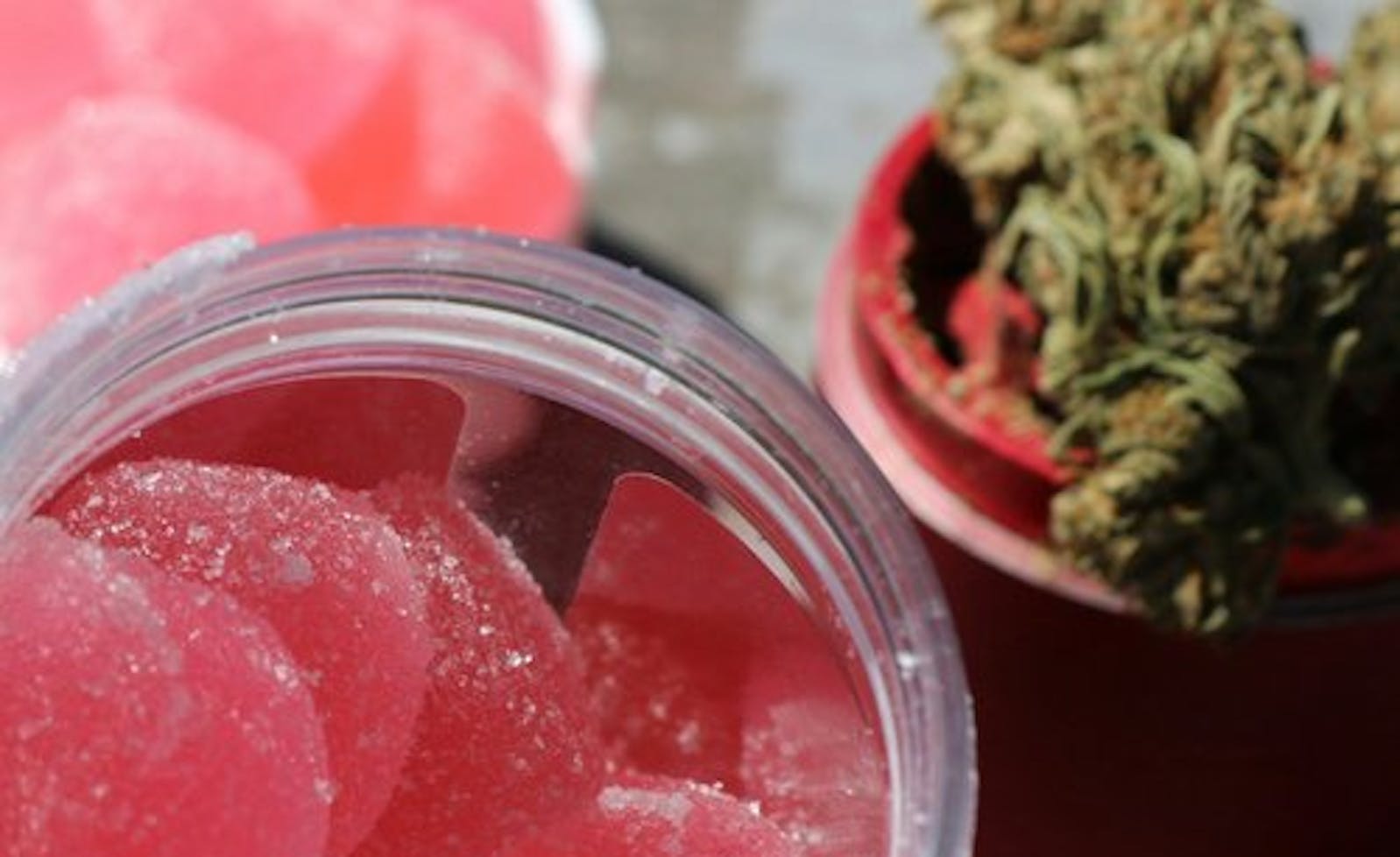
There are a wide variety of CBD products on the market, and they all have their own advantages and drawbacks. It’s important to decide what you are looking for from cannabidiol, how regularly you plan to use it, and what delivery method makes you the most comfortable.
Here are some of the most common categories of CBD products you’ll find at Apotheca and a primer on how they’re used.
- CBD Oil Tinctures: These are the most common products you’ll see. They come in a number of sizes, strengths, and are blended with many different oils and other ingredients. CBD Oils are typically made from extracted CBD, a carrier oil like hemp seed oil, and essential oils for flavor. Tinctures are typically taken sublingually (placing drops under your tongue) using a dropper built into the product’s cap. Onset and absorption can vary based on the formulation and how the product is used.
- CBD Salves and Creams: These products are typically blends of CBD extract with shea butter or other common skin care ingredients. They are applied the same as any other cream or lotion, with a small amount rubbed into the skin. Learn more about what CBD topicals are and why you should use them.
- CBD Gummies and Edibles: CBD edibles are eaten like any other food and generally take longer to digest than products used sublingually. Effects and duration can vary by product and individual.
- CBD Vapes: Vaping delivers CBD through inhalation and may produce a faster onset than oral formats, but inhaled products carry their own safety considerations. It can also be difficult to determine the exact amount of CBD delivered with each inhalation.
- CBD for Pets: CBD products are also available for pets, often in the form of tinctures and treats. They are formulated to suit the specific needs of animals. If you're considering CBD for an animal, discuss its use with a veterinarian rather than treating it as a routine dietary supplement. Learn first about using CBD oil for dogs and where to buy reputable CBD tinctures for dogs in the USA.
- Raw Hemp: Raw hemp flowers can be purchased and smoked using a pipe, rolled like cigarettes, or used in a dry herb vaporizer. Raw hemp is sometimes preferred by customers who want to avoid industrial processing of any kind and get the product in its natural form. However, it is impossible to determine an exact dose size using raw hemp flowers.
While not CBD, THCA edibles are worth mentioning. THCA is a non-psychoactive cannabinoid found in raw cannabis and offers different properties compared to CBD. If you're exploring other cannabinoids beyond CBD, try Delta 9 edibles.
CBD Safety and Side Effects
CBD is often described as well tolerated, but that does not mean it is risk-free. Potential concerns include changes in liver enzymes, drowsiness or fatigue, gastrointestinal effects, and interactions with prescription or over-the-counter medications.
CBD can affect how the body processes certain medications, so people who take prescription drugs or have liver conditions should speak with a qualified healthcare professional before using CBD. Consumers should also review third-party laboratory results when available because the cannabinoid content and purity of nonprescription products can vary.
Learn More With Apotheca
This guide is only a short introduction to CBD products, but we hope it answered enough of your questions to get you started. At Apotheca, we want you to make the most informed, responsible choice you can regarding what you put in your body. We’ll be using our blog space to bring you important research, history, and the latest news on CBD products. We are excited to share our knowledge and help you make the best decisions when it comes to your own wellness.
Beyond CBD, we also offer a diverse range of products to support your wellness journey:
- Kratom Products: Explore our selection of kratom for sale, a natural herb used in various cultures.
- Mushroom Supplements: Discover the benefits of medicinal mushrooms with our range of mushroom products.
- Accessories: Find the right tools for your needs in our accessories section, including items for consuming CBD flower, CBD cartridges, and more.
- CBD for Pets: We also offer CBD products for pets, allowing you to extend the potential benefits of cannabidiol to your animal companions.
Visit Apotheca to explore our full range of products and continue your journey towards informed well-being.
Frequently Asked Questions
CBD is primarily used to support general wellness and balance. People choose CBD for its non-intoxicating properties, as it doesn't produce the psychoactive effects associated with CBD weed. While clinical trials are ongoing, many include CBD in their wellness routines as a dietary supplement.
CBD isn't considered a controlled substance when extracted from hemp containing less than 0.3% THC. However, there is an FDA-approved medication for specific conditions, classifying it as a prescription drug in that context. The classification of CBD can vary depending on its form and intended use.
If you're pregnant, breastfeeding, or taking certain medications, you should exercise caution with CBD use. Those with liver conditions or other health concerns should consult a healthcare professional before using CBD products. Since clinical trials are ongoing, it's important to be aware of potential interactions.
Share
Featured Products


