Hemp & THC Laws in the U.S.: The Complete Guide

Content
11 min read
Featured Products
Key Takeaways
- Cannabis and hemp are split by one number. Under federal cannabis laws, cannabis above 0.3% Delta 9 THC by dry weight stays a Schedule I drug, while anything below that line is legal hemp nationwide.
- States add their own layer on top. Hemp laws by state generally fall into three patterns, matching the federal standard, capping total THC, or banning specific hemp-derived categories outright.
- A Certificate of Analysis (COA) and a state check beat a product label every time. Lab results prove federal compliance, but only your state's current rules confirm whether you can legally buy, carry, or use the product where you live.
Hemp and THC sit in a strange corner of American law. One plant can produce a product that ships freely across state lines and another that gets a person arrested one county over. Federal cannabis laws set the outer edge of what is allowed nationwide, but they only tell part of the story.
A narrower set of rules, federal hemp laws, carved out an exception for low-THC cannabis in 2018. States then piled their own restrictions on top of that exception. That is why hemp laws by state can look completely different once you cross a border.
This guide breaks down how those layers fit together, what counts as legal hemp today, and where to check before you buy a THC or hemp product online or in person. Whether you are cannabis-curious or you have been shopping hemp for years, understanding federal cannabis laws makes it easier to shop with confidence.
Federal Cannabis Laws and the Controlled Substances Act
Start with the baseline. Under federal cannabis laws, cannabis above the legal hemp threshold is still a Schedule I substance under the Controlled Substances Act. That classification places it alongside drugs the government considers to have a high potential for abuse and no accepted medical use, a standard explained on the DEA's drug scheduling page.
That Schedule I status has not changed, even as many states have legalized cannabis for medical or recreational use within their own borders. Federal cannabis laws technically outrank state law, which is why cannabis businesses still face banking restrictions and cannot ship product across state lines, no matter how permissive the local market is.
Hemp works differently. Once a cannabis plant falls under a specific THC threshold, it stops being treated as a controlled substance under federal cannabis laws and becomes a separate, legal category altogether.
Federal Hemp Laws Under the 2018 Farm Bill
The dividing line between federally controlled cannabis and legal hemp comes from the Agriculture Improvement Act of 2018, better known as the Farm Bill. Read the enrolled text on Congress.gov, or see our plain-language breakdown of the 2018 Farm Bill.
The bill defined hemp as cannabis containing no more than 0.3% Delta 9 THC by dry weight and removed that definition of hemp from the Controlled Substances Act entirely. Federal hemp laws now treat hemp as an agricultural commodity, regulated by the USDA rather than the DEA. You can read the program details directly on USDA's hemp page.
Under federal hemp laws, that 0.3% line is the whole ballgame. A plant above it falls under the stricter classification. A plant below it is hemp, legal to grow, sell, and ship nationwide under federal rules, a different standard than what ordinary federal cannabis laws apply otherwise.
The Role of Lab Testing and COAs
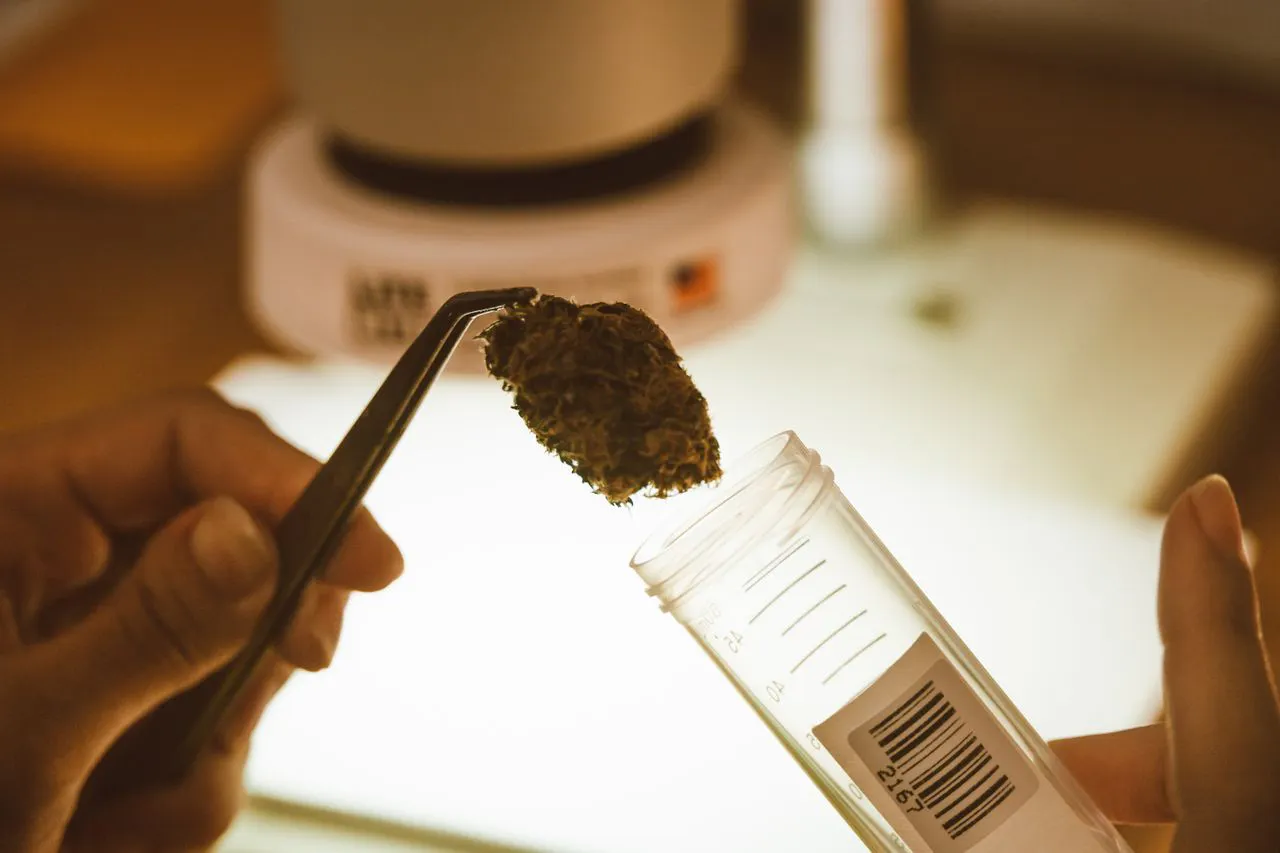
That threshold is also why lab testing matters so much. Every batch should come with Certificates of Analysis (COAs) showing the Delta 9 THC result, since that number is what determines legal status under federal hemp laws in the first place.
A real COA lists the testing lab's name, the sample date, and a batch number that matches the package in front of you. If any of that is missing, treat the product as unverified no matter how confident the label sounds.
THCA, Delta 9, and the Hemp Loophole
The 0.3% threshold created an opening that reshaped the entire hemp market. THCA, the raw, non-intoxicating form of THC found in fresh cannabis, does not count toward that Delta 9 limit. Heat converts THCA into Delta 9 THC, which is why how THCA flower is made matters for understanding its legal status.
That gap lets growers produce THCA hemp flower that tests under the legal Delta 9 limit before it is smoked, even though it looks, smells, and acts like traditional cannabis once lit. Our guide to understanding THCA's uses and benefits walks through the chemistry in more depth.
Delta 9 and Delta 8 Products in the Hemp Market
The same logic applies to infused products. Delta 9 gummies stay within federal cannabis laws as long as the Delta 9 THC content per serving and package stays under the legal hemp threshold. The same goes for THC shots and other hemp-derived drinks built around that same math.
Delta 8 THC, a close chemical cousin of Delta 9, raises its own questions. Our post on whether Delta 8 THC is legal digs into why some states treat it as regular hemp while others ban it outright, even though federal cannabis laws do not name it specifically.
Vape cartridges follow the same Delta 9 math, though concentrating cannabinoids makes accurate testing matter even more. A brand worth trusting retests every batch instead of leaning on one early result for an entire product line.
Hemp Laws by State: Why the Rules Change at the Border
The Farm Bill set a federal floor, not a ceiling. States can and do add their own restrictions, which is the main reason hemp laws by state vary so sharply from one map pin to the next. The three sections below show where most states land.
This is not unusual. States regulate alcohol, tobacco, and even some over-the-counter drugs differently from one another, and hemp has landed in that same category. The federal government sets a floor for what counts as hemp, then lets each state decide how far past that floor it wants to go.
For a closer look at any single state's statute, the National Agricultural Law Center keeps a state-by-state legal compilation that goes well beyond what any single article can cover.
Three Common State Approaches to Hemp
States tend to fall into one of three groups:
- Follows the federal standard: Treats any hemp product under the 0.3% Delta 9 threshold as legal, matching federal hemp laws directly.
- Caps total THC: Folds THCA into the math, which can push potent flower out of compliance even when Delta 9 alone would pass.
- Bans specific categories: Prohibits THCA flower, Delta 8 products, or hemp beverages outright, regardless of lab results.
None of these groups are permanent. A state can move between them after a single legislative session, so where a state falls today is a starting point for research, not a final answer.
Where Hemp-Derived THC Has Been Restricted or Challenged
A full legal or illegal label for all 50 states goes stale fast, and even courts are still sorting out how federal cannabis laws apply to hemp-derived THC in each case. The table below sticks to states where a law, court ruling, or enforcement action is on the public record, rather than guessing at every state's current status.
-------------------------------------------
State: Idaho
Status: Banned
What Happened: Licensed hemp production allowed; manufactured products require 0% THC. Source
-------------------------------------------
State: Maryland
Status: Banned
What Happened: A state appeals court ruled that products containing psychoactive hemp-derived compounds are illegal. Source
-------------------------------------------
State: Hawaii
Status: Restricted, under challenge
What Happened: A new state law criminalizing hemp-derived THC products is being challenged in court by dispensary owners. Source
-------------------------------------------
State: Missouri
Status: Contested
What Happened: The attorney general sent cease and desist letters to THCA retailers, though no statewide ban is on the books. Source
-------------------------------------------
State: Connecticut
Status: Restricted
What Happened: A federal judge upheld the state's stricter hemp rules against a Farm Bill preemption challenge. Source
-------------------------------------------
This is a short list of documented cases, not a ranking of all 50 states. A state left off this table has not necessarily banned anything, and a state on it may have changed again by the time you read this. The National Agricultural Law Center and your own state agriculture or health department remain the most current word on where things stand.
Hemp Laws by State Are a Moving Target
That patchwork shifts constantly. Our rundown of recent cannabis legalization updates tracks the states that have tightened or loosened their rules most recently, since hemp laws by state can change mid-year with little warning.
If you travel with hemp products, treat every state line as a reset button. A product that is perfectly legal at home can fall outside hemp laws by state the moment you cross into a stricter one, even if it never violates federal cannabis laws.
How to Check Your State's Hemp Laws Before You Buy
Start with your state department of agriculture or health department site, since those agencies usually publish current rules well before news coverage catches up. Search the department name plus "hemp" or "THCA" rather than relying on general search results alone.
Next, check the product itself. Real cannabis COAs list Delta 9 THC by dry weight, the testing lab, and the test date, which tells you whether the product even qualifies as hemp under federal hemp laws before state rules ever enter the picture.
Finally, ask the retailer directly. Our guide to finding THCA flower near you covers questions worth asking any shop, since staff who sell hemp daily usually track hemp laws by state more closely than a quick online search will.
Bookmark the official page once you find it, since these rules can update between visits and a saved link beats searching from scratch next time. The page will not change what federal cannabis laws allow, but it is the fastest way to see what your state has added on top.
Where Federal Cannabis Laws Could Be Headed Next
Congress revisits the Farm Bill roughly every five years, and each cycle brings pressure to close the THCA loophole that federal cannabis laws currently leave open. Lawmakers have floated switching the hemp definition from Delta 9 THC to total THC, a change that would reclassify most THCA flower overnight.
Congress enacted a narrower hemp definition in 2025. The total-THC standard and 0.4 mg per-container cap are scheduled for December 11, 2026; the exclusion for cannabinoids the plant cannot naturally produce remains scheduled for November 12.” Source Expect hemp laws by state to keep shifting faster than federal cannabis laws for the next few years, simply because state legislatures meet more often than Congress revisits farm policy.
Until that changes, the safest approach is the one this guide keeps repeating. Check the COA, check your state, and do not assume a product sold legally in one state travels with the same status everywhere else.
Frequently Asked Questions
Is THCA flower legal under federal cannabis laws?
Yes, as long as it tests under 0.3% Delta 9 THC by dry weight before it is heated. That is the line federal cannabis laws draw between legal hemp and federally controlled cannabis, regardless of how the flower behaves once it is smoked.
Do hemp laws by state override federal rules?
States cannot make hemp less legal at the federal level, but they can add their own restrictions on top. That additional layer is exactly what makes hemp laws by state stricter than federal cannabis laws in some places.
Can I travel across state lines with hemp products?
You can, but you take on the risk of whichever state you enter. Carry the COA, stick to compliant Delta 9 levels, and skip any state that has banned THCA flower or hemp drinks outright, since local officers enforce local rules first.
Where can I legally buy hemp-derived THC products?
You can buy THC edibles online or in person from retailers that publish lab results and follow federal hemp laws. Options range from THC gummies to THCA disposable vape devices, and checking the THCA flower selection directly shows current lab results for every batch. Apotheca ships orders over $49 for free and backs every product with a COA, with 60 stores and counting if you would rather shop in person.
One more reminder before you go. This article explains how federal cannabis laws, federal hemp laws, and hemp laws by state generally work, but it is not legal advice. Confirm the current rules in your own state before you buy, carry, or use any hemp or THC product.
Disclaimer: This guide is for educational purposes only and is not legal advice. Cannabis and hemp rules shift often at both the state and federal level. Check your local laws for the latest requirements before you buy, carry, or use any hemp or THC product.
Share
Featured Products


