The Science Behind Growing High-THCA Flower: Key Factors & Techniques
March 25, 2025
THCA
March 25, 2025

Content
7 min read
Think growing high-THCA flower is reserved for lab coats and PhDs? We're spilling simple science tricks growers swear by to skyrocket their thca levels. No fancy lab needed. Just the right tips (and maybe a green thumb).
Genetics - Start with the Right Plant
The secret to impressive THCA products begins way before planting your seeds. Your flower’s genetic code determines exactly how much THCA it can produce.
What Makes a Strain High-THCA Friendly?
Choosing stable genetics from trusted breeders gives you a big head start. Not all strains produce equal amounts of THCA. Some strains naturally pack a higher percentage, making them perfect choices if your goal is big numbers.
Stability is your friend, since unpredictable genetics mean unpredictable results. Stick to reliable sources and keep your surprises limited to birthdays, not your flower selection.
Here’s your handy reference table featuring a few superstar strains known for producing impressive amounts of THCA.
Gorilla Glue #4
Average THCA %: ~30%
Type (indica/sativa/hybrid): Hybrid
- Banana OG
- Average THCA %: ~28%
- Type (indica/sativa/hybrid): Indica
- Jack Herer
- Average THCA %: ~25%
- Type (indica/sativa/hybrid): Sativa
- Ghost Train Haze
- Average THCA %: ~27%
- Type (indica/sativa/hybrid): Sativa
- Wedding Cake
- Average THCA %: ~26%
- Type (indica/sativa/hybrid): Hybrid
- Bruce Banner
- Average THCA %: ~29%
- Type (indica/sativa/hybrid): Hybrid
- Ice Cream Cake
- Average THCA %: ~28%
- Type (indica/sativa/hybrid): Indica
Light - How Your Lamps Boost THCA
Growers often ask if LED or HPS lamps are better for THCA. LEDs are energy-efficient and easier to handle. HPS lights are hotter but give strong results. If heat management worries you, LEDs keep your room cooler. If upfront costs scare you, HPS lamps are budget-friendly.
When your plants grow, they need consistent lighting schedules. Stick to a clear "on-off" routine daily. Vegging plants prefer about 18 hours of light, while flowering plants need around 12 hours. Intensity also matters, so keep your lights close but avoid plant burn.
Plants respond strongly to blue and red spectrums. Blue encourages tight growth and healthy leaves. Red promotes flowering and bud formation. A balanced mix gives you plants that reach peak THCA production.
Quick Lighting Tips to Boost Your THCA Results:
- Match your spectrum closely to sunlight
- Stick to a strict lighting schedule
- Check your plants daily and adjust lights if needed
Temperature & Humidity - Dial in the Environment
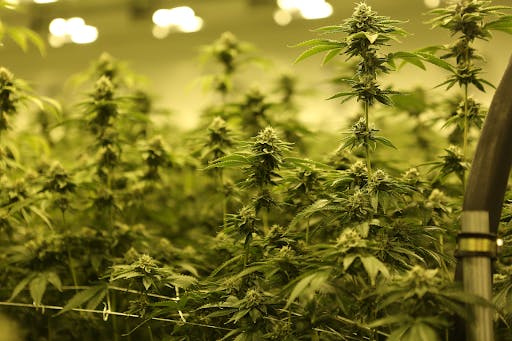
Keep daytime temperatures around 70 to 80°F. At night, lower that to about 60 to 70°F. Too hot or too cold is a quick ticket to disappointing THCA levels. Plants prefer consistency, so don't shock them with big swings.
Humidity can make or break your THCA goals. During the early flowering stage, keep humidity around 40 to 50%. As buds grow bigger, drop it lower, around 30 to 40%. Too much moisture invites trouble like mold. Too little means stressed plants and less THCA.
Nutrients & Soil - Feed Them Right
If you want great results, your plants need certain nutrients more than others. Here’s your cheat sheet to plant happiness:
- Nitrogen (N): Helps leaves grow lush and green, giving your plants energy to build buds later.
- Phosphorus (P): Needed for strong roots and healthy flowers. It's key when plants bloom.
- Potassium (K): Makes your plants tougher, helping them handle stress and improving overall growth.
- Calcium (Ca): Keeps cells healthy and sturdy. Prevents weak stems or brittle leaves.
- Magnesium (Mg): Supports energy production. Helps keep plants lively and growing steadily.
More nutrients do not mean better flower. Too much food can harm plants and lower your final thca. Stick to recommended amounts. Your plants will tell you if they need more or less. Keep an eye out for yellow leaves, slow growth, or burnt tips. Adjust your nutrients accordingly.
Water Quality & pH Levels - No, Tap Water Won't Do!
You might think water is water, right? Wrong. If you're aiming for big-time THCA flower, ordinary tap water won't cut it. Plants notice quality just like you do. Keep your flower thriving with water that's actually good enough to drink.
Good water helps plants absorb nutrients easily. Bad water can block nutrient intake. You want your THCA flower healthy, happy, and soaking up every nutrient possible. Keep your water's pH between 5.8 and 6.5. If your water's too acidic or too alkaline, you might as well toss your money down the drain. Check your pH regularly and make adjustments if needed.
Harvesting Time - Timing Really is Everything
You did all the work. You picked the right genetics, controlled the light, dialed in nutrients, and kept everything at the perfect temperature. Now, it’s time for the final step: harvesting.
Your plants won’t send you a memo, but they do give clear signs when it’s time to harvest. Here’s what to look for:
- Trichomes Turn Cloudy: Use a microscope or loupe to check the trichomes (tiny resin glands on the flower). When they look cloudy instead of clear, that’s your cue.
Hairs Change Color: The majority of pistils (tiny hairs on the buds) should shift from white to amber. If most are still white, wait a bit longer.
Drying & Curing - Preserving All That Hard Work
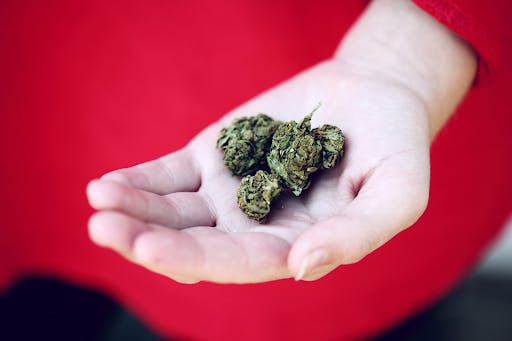
You did everything right up to this point, so don’t rush the finish line. Drying and curing are the final steps that lock in THCA and keep your flower from turning into a disappointment. Done right, this process helps preserve everything you worked for. Done wrong, you could lose quality fast.
Drying removes excess moisture without damaging the THCA content. Curing takes it a step further by improving the overall quality of your flower over time. Skip these steps or rush them, and your flower won’t turn out the way you expected.
Quick Tips for Drying & Curing
- Dry Slowly: Keep the drying area around 60°F with humidity at 50%. This prevents the flower from drying too fast, which can trap moisture inside.
- Hang Buds in a Dark Space: Use a drying rack or hang them upside down in a dark, well-ventilated room. Avoid direct light, which can degrade THCA.
- Cure in Airtight Jars: Once dry, store the flower in airtight glass jars. Keep them in a cool, dark place.
- Burp the Jars Daily: Open the jars for a few minutes each day to let moisture escape. Do this for about two weeks to ensure even curing.
Common Mistakes - Don't Kill Your THCA!
Growing high-THCA flower takes more than just planting seeds and hoping for the best. Even experienced growers slip up, and a few simple mistakes can ruin months of hard work. The good news? You can avoid these problems if you know what to look out for.
Overwatering and Underwatering
Your plants need water, but drowning them or leaving them thirsty is a surefire way to cause stress. Overwatering suffocates the roots, while underwatering stunts growth. Find the balance by checking the top inch of soil. If it's dry, it's time to water. If it still feels damp, wait before adding more.
Messing Up the Lighting Schedule
Plants thrive on consistency. Mess with their light cycle, and they won’t produce the THCA levels you want. Keep vegging plants under 18 hours of light and 6 hours of darkness. Flowering plants need a strict 12/12 schedule. Skipping this step confuses your plants, and confused plants don’t perform well.
Ignoring Airflow and Ventilation
Stale air creates big problems. Without proper airflow, your plants can struggle with weak growth and excess moisture. Keep fresh air moving with fans and ventilation. This not only keeps things clean but also helps plants grow stronger.
Harvesting at the Wrong Time
Harvest too early, and you miss out on peak THCA levels. Wait too long, and those levels start to drop. Check the trichomes with a microscope or loupe. When they turn cloudy and most of the pistils darken, it’s go time.
Conclusion
Growing great THCA flower isn’t magic. It all comes down to science, patience, and the right techniques. From genetics to lighting, nutrients, and harvesting, every step matters. Get these right, and you’ll see the difference in your flower’s THCA levels. Curious about the best thca flower online? See what we have waiting at Apotheca!
Frequently Asked Questions
The growing medium plays a huge role in THCA production. Many growers prefer organic soil rich in beneficial microbes, while others use hydroponic systems for precise nutrient control. Coco coir is also a popular option since it retains moisture while allowing proper drainage. No matter the medium, keeping a balanced pH and ensuring consistent nutrient availability is key for maximizing THCA levels.
Increasing CO₂ levels in a grow space can enhance plant growth and boost overall yields, which may contribute to higher THCA production. Plants use CO₂ during photosynthesis, and with higher levels (1,000–1,500 PPM), they can process more light energy efficiently. However, proper ventilation and temperature control are essential to avoid stressing the plants. If done correctly, CO₂ supplementation can lead to denser buds and better resin production.
Yes, certain stress training techniques can encourage plants to produce more trichomes, which contain THCA. Low-stress training (LST) and high-stress training (HST), like topping or supercropping, can help redirect plant energy toward bud production. However, excessive stress can negatively impact growth, so it’s important to apply these methods carefully.
Proper airflow prevents stagnant air, reduces moisture buildup, and strengthens plant stems. Stale air can lead to mold, pests, and reduced resin production. Using oscillating fans and exhaust systems ensures fresh air moves through the grow space, helping plants develop strong branches that can support heavy buds.
Cloning high-THCA strains ensures genetic consistency and allows growers to replicate successful plants. The best method is to take cuttings from a healthy mother plant during its vegetative stage. Using a sterile blade, cut below a node, dip the cutting in a rooting hormone, and plant it in a humidity-controlled environment.
Organic nutrients can enhance plant health and support strong resin production, which can lead to higher THCA levels. Using compost teas, worm castings, and organic amendments provides a slow-release nutrient source that helps maintain soil balance. Organic feeding schedules also promote beneficial microbes, which improve nutrient absorption.
Growing THCA flower from seed to harvest typically takes between 3 to 5 months, depending on the strain and growing conditions. The vegetative stage lasts 4 to 8 weeks, where plants develop strong roots and foliage. The flowering stage takes another 8 to 10 weeks, during which plants focus on bud development and resin production.
Pruning helps increase light exposure and airflow, allowing plants to focus energy on bud development rather than unnecessary leaves. Removing lower, unproductive branches prevents wasted energy and encourages stronger growth in top buds. However, over-pruning can stress the plant and slow down growth, so it’s important to trim gradually.
The right container size depends on the plant’s expected growth and root development. For indoor growing, 3 to 5-gallon pots work well for most strains, while outdoor plants may need 10 to 20-gallon containers to reach full potential. Bigger pots allow for stronger root systems, leading to healthier plants and higher THCA production. Fabric pots are a great option since they provide better aeration and prevent root circling.
Studies suggest that UVB light exposure can stimulate trichome production, leading to increased THCA levels. Many growers introduce UVB lights during the late flowering stage to trigger plant defense mechanisms, which results in more resin production. However, too much UVB exposure can damage plants, so it's best to introduce it in short, controlled periods.
Share


