The Rise of THCA Concentrates: What Makes Them So Popular?
June 25, 2025
June 25, 2025

Content
9 min read
THCA concentrates aren’t new, but the spotlight on them definitely is. And no, it’s not just hype. These products offer a highly refined form of THCA in textures like rosin, crystals, and more, giving adults more options than ever. In this guide, we’re digging into what makes THCA concentrates so talked about, how they compare to others, and what to know before choosing your first one.
What Are THCA Concentrates?
THCA concentrates are refined cannabis extracts that contain high levels of tetrahydrocannabinolic acid (THCA) in its raw form. They’re known for their purity, variety of textures, and precision crafting, usually without added solvents or unnecessary extras.
If you’ve ever heard someone mention “rosin,” “badder,” or “crystals,” they were probably talking about THCA concentrates. These products take raw THCA (the stuff before it converts into THC) and preserve it through careful extraction methods.
The process always starts with high-quality source material. Some THCA concentrates are made from fresh-frozen plants to keep the full spectrum of compounds intact. Others use dried flower.
Why Is THCA Gaining So Much Attention?
THCA is getting noticed because more shoppers want cleaner, clearly labeled products with minimal additives. As adult consumers dig deeper into cannabinoids, they’re asking better questions, and THCA concentrates, especially rosin and crystals, offer something that’s direct, precise, and easy to track from source to shelf.
Here’s what we’ve seen firsthand:
- Label transparency is now expected, not optional
- Solventless methods (like rosin pressing) are gaining traction
- Textures matter, shoppers care if it’s creamy, firm, or crystalline
- Curiosity around raw cannabinoids is way up
- People talk. Once one person finds a good rosin, word spreads fast
It also helps that these products became more available around the time more states updated their laws. More demand means more options. More options means more ways to compare. Suddenly, people are seeing how THCA differs from the usual concentrate formats.
What Are the Most Popular Types of THCA Concentrates?
The most talked-about THCA concentrates right now are rosin, crystals, badder, and diamonds. When someone walks into one of our stores asking about THCA, the first question we usually get is: “What type should I even be looking for?”
That depends. Some people like a soft, creamy badder. Others want something that feels solid and pure, like THCA crystals. And then some folks geek out over rosin. Here’s a breakdown of what’s trending:
1. THCA Rosin
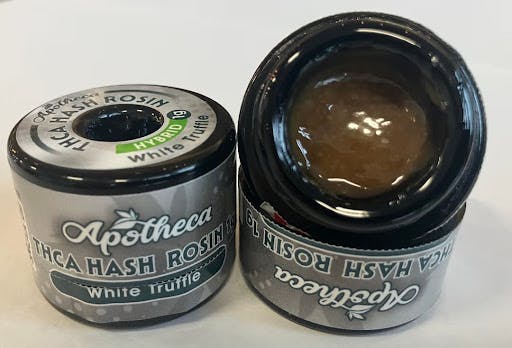
Rosin’s big because it skips the solvents. It’s made by pressing flower or hash using only heat and pressure.
Shoppers like it because:
- It’s made without extra chemicals
- You can usually trace it back to the strain or batch
- The texture ranges from sticky and soft to shelf-stable and scoopable
Good example? Our THCA White Truffle Rosin. It’s a small-batch standout and keeps a solid following across all three states we operate in.
2. THCA Badder
This one’s whipped to a creamy consistency. The texture’s like soft wax, but smoother. You’ll see it labeled as live badder when it’s made from fresh-frozen flower.
Why people like it:
- It’s easy to portion
- The consistency is beginner-friendly
- It still carries a lot of aromatic compounds from the original plant
We stocked Berry Creamy THCA Badder recently, and let’s just say, it didn’t sit on shelves long.
3. THCA Crystals (aka Isolate)
This is where purity takes the front seat. THCA crystals look like clear chunks or granules and often come with a bit of sauce added for balance.
Worth noting:
- These are highly refined
- Some shoppers prefer them for mixing or precise usage
- They’re shelf-stable and visually striking
If you're into details, you’ll like the crystal format. You know exactly what you’re getting.
4. THCA Diamonds
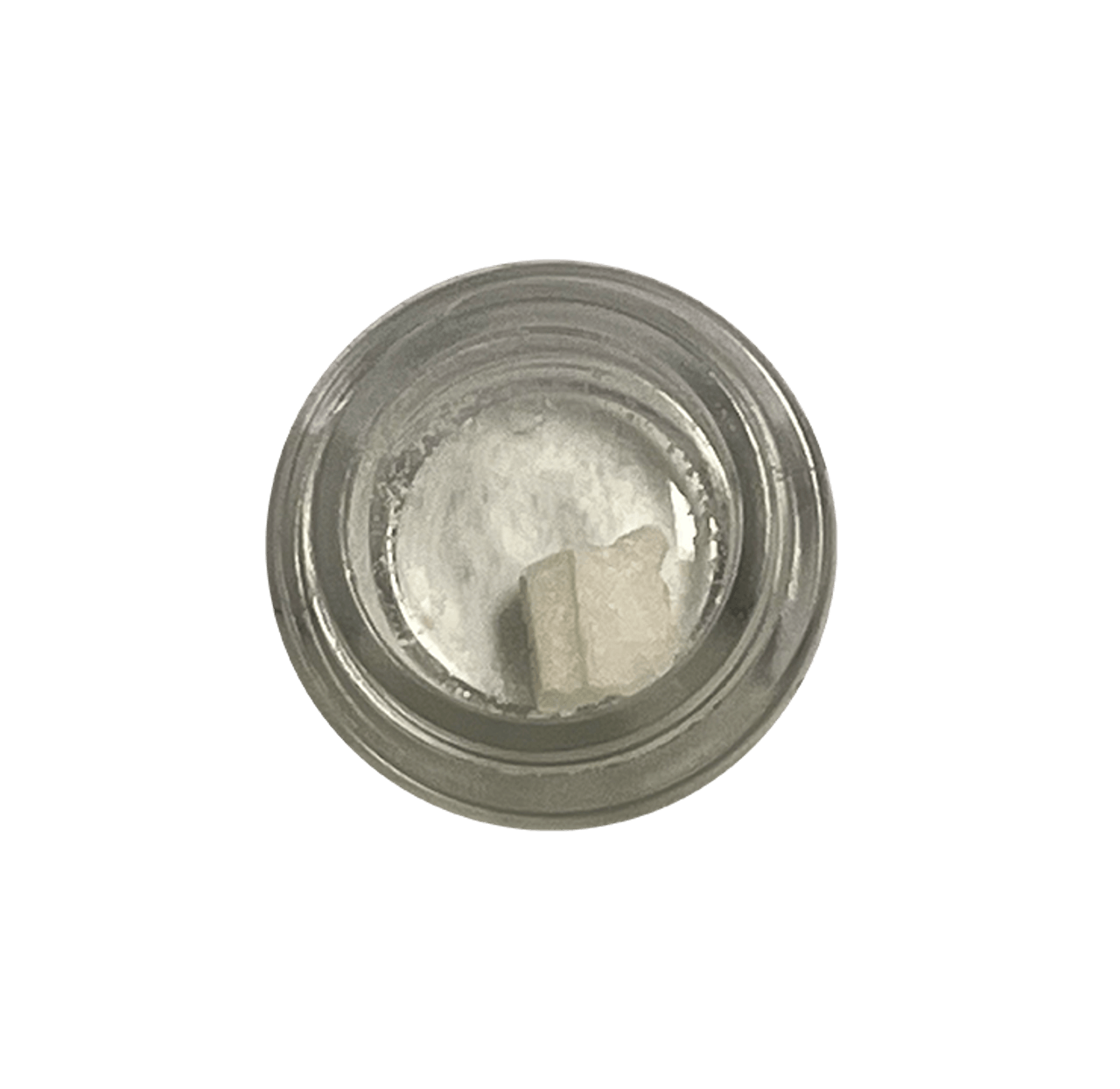
Similar to crystals, but grown under pressure in a different process. They’re solid, sparkly, and usually paired with a sauce.
Common takeaways:
- Great for shoppers who want max clarity
- Often used in very small amounts
- Packs tight, lab-tested detail in every batch
Popularity comes down to 3 things:
- Texture preference: Some prefer soft and creamy, others want solid and exact.
- Production method: Solventless is on the rise. So is single-source.
- Label transparency: More shoppers now check for micron size, press method, and plant origin.
What Makes THCA Rosin Different From THCA Distillate, Crystals, and Others?
THCA rosin is made using heat and pressure with no solvents involved. Distillate, on the other hand, goes through a multi-step refinement process. Crystals are isolated chunks of THCA with extreme purity.
Here’s a simple comparison we often walk through at Apotheca when someone’s not sure what to get:
THCA products come in a variety of forms, each with unique characteristics based on how they’re made. Rosin is produced using only heat and pressure, resulting in a soft, pliable texture that retains much of the plant’s original character—perfect for those seeking a solventless, full-spectrum experience. Distillate undergoes multi-pass refinement with solvents, creating a syrupy, liquid consistency that is highly refined and often odorless, ideal for blending into edibles or vapes. Crystals are created by chemically isolating THCA, forming solid, glass-like chunks known for being extremely pure and easy to dose. Lastly, badder is typically whipped from rosin or live resin, giving it a smooth, whipped texture that retains both aroma and flavor, making it popular among terpene lovers.
People lump them together all the time. “Rosin, distillate, crystals, it’s all concentrate, right?” Well, kind of. But the way they’re made? Way different. And that’s exactly why you’ll see some shoppers gravitate to one type over another.
Who’s Buying THCA Concentrates Today?
Adults who want more control over what they shop for are driving the demand for THCA concentrates.
At first, we figured THCA concentrates would mostly interest long-time concentrate users. But that hasn’t been the case. What we’re seeing instead? A mix of buyers, from curious newcomers to product-savvy shoppers who care more about traceability than trendiness.
So, who’s actually buying this stuff?
We pulled together the patterns we’ve noticed across our 44+ Apotheca locations and online. Here’s the short list:
1. Ingredient-first buyers
They read every label. Check COAs. Ask about extraction methods. These shoppers usually go for:
- Solventless formats (rosin, hash)
- Single-source batches
- Full terpene retention
2. Former traditional concentrate users
These are people who used distillate blends for years and are now exploring something more specific. They’ve said things like: “I didn’t even realize rosin didn’t use solvents, makes sense now.”
3. Curious new shoppers
Not everyone jumping into THCA is an expert. Some are just curious. Maybe they heard a friend talk about “badder” and want to try something that’s not generic or mass-produced. They ask questions, they read labels, and they start small.
4. Shoppers who value sourcing and transparency
This group tends to ask things like:
- “Was this made from fresh-frozen or dried?”
- “Do you have lab results?”
- “What’s the difference between mixed micron and full spectrum?”
You don’t need a science degree to want transparency. These buyers are just tired of vague products.
Why are they choosing THCA?
Honestly? Because the format doesn’t hide behind fancy names or feel-good buzzwords. When you’re holding a live rosin jar, you can tell:
- What strain it came from
- How it was processed
- What the texture should feel like
What Should You Look for When Shopping for THCA Concentrates?
When shopping for THCA concentrates, check the label for source material, production method, texture, and lab results. Look for solventless options if that matters to you, and make sure the product comes from a trusted brand that publishes transparent, batch-specific test results.
If you're buying THCA concentrates, here's how to spot the good stuff without guessing.
1. Source material
Ask yourself: Was it made from fresh-frozen flower or dried trim? The answer impacts everything from flavor to overall structure.
- Fresh-frozen: Often used in live rosin and live badder. Tends to keep more of the original plant compounds.
- Dry-cured: May lose some aroma but still performs well in solventless formats.
2. Production method
Some users care about solventless. Others don’t. But either way, you should know how it was made.
- Heat and pressure? You’re looking at rosin.
- Chemical processing? That’s distillate or isolate territory.
3. Texture
Not all textures work for all setups. Some are scoopable. Some crumble. Some stay sticky.
- Rosin: Often gooey or snap-style
- Crystals: Solid, easier to portion
- Badder: Smooth and easy to handle
Know what you're comfortable with, and pick accordingly.
4. Lab testing
Always check for COAs (Certificates of Analysis). If there isn’t a QR code or visible results on the site or box, skip it. You deserve to know what’s inside. All our THCA products are tested for compliance and potency in every batch.
5. Batch traceability
You’d be surprised how many shoppers overlook this. Being able to trace your jar back to its batch can tell you:
- Which grower it came from
- Whether it was fresh-press or cured
- How consistent the results are
Let’s talk packaging for a second
Packaging shouldn’t just look good, it should protect the product. Look for:
- Opaque jars (light breaks down THCA over time)
- Airtight lids (you don’t want dry concentrate)
- Label clarity (no vague descriptions like “house blend”)
If a brand won’t tell you what’s in the jar, they’re probably hoping you won’t ask. Ask.
THCA Concentrates Are Having a Moment, Here’s Why That Matters
THCA concentrates are growing in popularity because they offer clear sourcing, solventless options, and traceable batch details.
You don’t need to be an extraction expert to know when a product feels right. Most of the folks we talk to at Apotheca? They just want the basics: what it is, how it’s made, and whether it holds up once you open the jar.
THCA concentrates check those boxes. And when they’re done right, like our 6-star ice hash rosin or mixed micron hash rosin, they speak for themselves.
You’ve got options. Make them count.
If you’re ready to look beyond the usual lineup, THCA formats offer a chance to rethink what a quality concentrate can look like.
Before we end, here’s your quick final checklist:
- Know your texture: soft, firm, or crystal clear?
- Check your packaging: no label = no trust
- Ask for lab results: every time
- Match it with the right dab gear
Frequently Asked Questions
They want more control. Buyers are reading labels now, looking at ingredients, extraction methods, even batch info. THCA concentrates offer all of that without the vague descriptions or overblown promises. Whether it’s rosin or crystals, shoppers know exactly what they’re getting.
We’ve seen plenty of buzz come and go. THCA doesn’t feel like that. Why? It’s not built on hype. It’s built on process transparency, lab testing, and a growing preference for solventless, full-spectrum concentrates. The demand hasn’t dipped once since we added it to shelves.
Rosin’s getting love because it’s made using just heat and pressure, no solvents, no additives. It keeps more of the original plant material intact. Buyers like that they can trace it back to a strain, a micron grade, and a batch. That kind of clarity is rare.
More than you’d think. People are doing their homework. They’ll walk in asking about badder, or what makes crystals different. We’ve had first-timers come in with screenshots of this exact product. That curiosity is a big reason why THCA is growing so fast.
Precision. Everything from texture to processing method is clearly defined. You’re not guessing what’s in the jar. You know if it’s live rosin, hash rosin, or crystals, and that clarity builds trust. Especially with batch-tested formats like our mixed micron hash rosin.
No. That’s where reading the label really matters. Some are solventless, others aren’t. Some use fresh-frozen flower, others use dry material. You’ll also see differences in press temperature, micron size, and packaging. All those details affect how the final product feels and performs.
Because no one wants a mystery jar. If you can’t tell who made it or what plant it came from, it’s a gamble. Traceability means accountability. And the more you can track a product, from extraction to shelf, the easier it is to make smart buying decisions.
It’s a mix. We’ve seen long-time concentrate users who want cleaner formats. We’ve also seen new shoppers who just want clarity. THCA appeals to anyone who’s tired of flashy labels and wants something straightforward, tested, and reliably made.
From what we’ve seen across our 40+ stores, the demand’s been steady, and rising. Every time we restock a solid rosin, it moves quickly. We’ve even had customers ask us to call when a certain batch comes in.
Depends on the format. Some are more firm or crumbly, while others are soft and sticky. Either way, having the right dab gear helps. We always recommend gear that matches the texture of what you’re picking up, which makes the experience smoother from the start.
Share


