The Future of Cannabis Flower: Trends to Watch in 2025 & Beyond
May 29, 2025
May 29, 2025

Content
7 min read
Cannabis flower is still the go-to choice for many adult consumers, even with the rise of concentrates, vapes, and edibles. It’s familiar, flexible, and still driving innovation in 2025.
Even as the market evolves, cannabis flower stays essential. Why? Because it's the baseline. The foundation for most strain exploration and product development. You care about what goes into your experience, and that usually starts with flower. We’re seeing changes in how it’s grown, how it’s presented, and how people choose their strains.
What’s changing with cannabis strains in 2025?
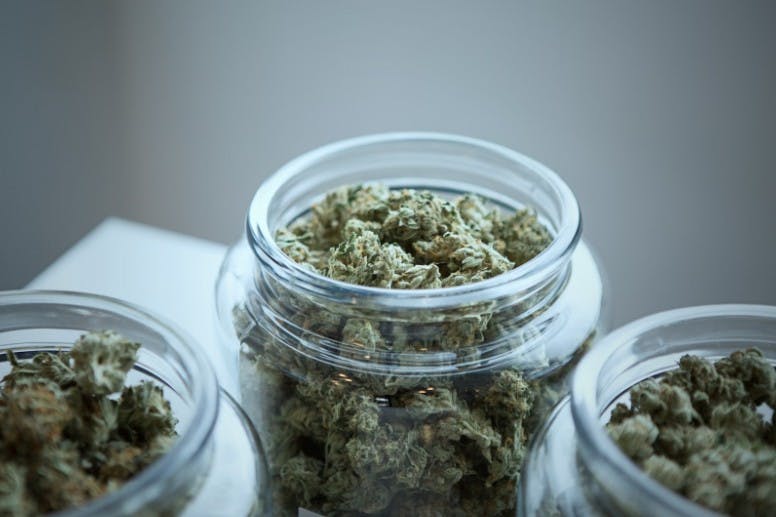
Breeders are dialing in cannabis flower with more precision than ever, focusing on terpene variety, visual appeal, and genetics that offer consistent effects. In 2025, strain innovation is all about offering you more control, better variety, and options that suit your personal preferences.
Strains are no longer just about sativa or indica. The conversation is shifting to full-spectrum profiles. Breeders are experimenting with exotic genetics to create flower that stands out for aroma, color, and texture. You’re likely to see more detailed strain breakdowns, not just generic categories. Here’s how this trend is evolving:
Breeding for terpene-rich profiles
Instead of chasing strength, growers are focusing on creating standout terpene combinations. This means flower with distinct aromas, like gas, citrus, or spice, not just vague categories.
- Terpenes are becoming a major buying factor, and breeders are selecting genetics to highlight certain profiles.
- You’ll notice more education around what specific terpenes are in a strain and how they shape your experience.
- Brands are even releasing limited drops of flower with curated terpene blends.
The rise of exotic and boutique strains
Strains with regional names and complex lineage are seeing more attention. In 2025, expect to hear a lot more about rare phenotypes and limited cuts that are grown in small batches. It’s about making cannabis flower feel personal and thoughtfully crafted.
- Unique crosses are being released seasonally or in limited drops.
- Names like Afghan Kush and Colombian Gold are gaining popularity for their heritage and distinct characteristics.
- Flower brands are using strain stories and lineage as key selling points, helping you make more informed decisions.
Predictability over mystery
In the past, strain effects were often generalized and inconsistent. Now, brands are putting effort into creating flower that delivers the same results from one batch to the next.
- Growers are pheno-hunting with purpose, selecting stable genetics that respond well to controlled environments.
- Packaging now includes terpene percentages and lineage data to help guide your purchase.
- Shoppers are choosing strains not just by name, but by how reliably they match expectations.
How is cannabis cultivation getting more eco-friendly and high-tech?
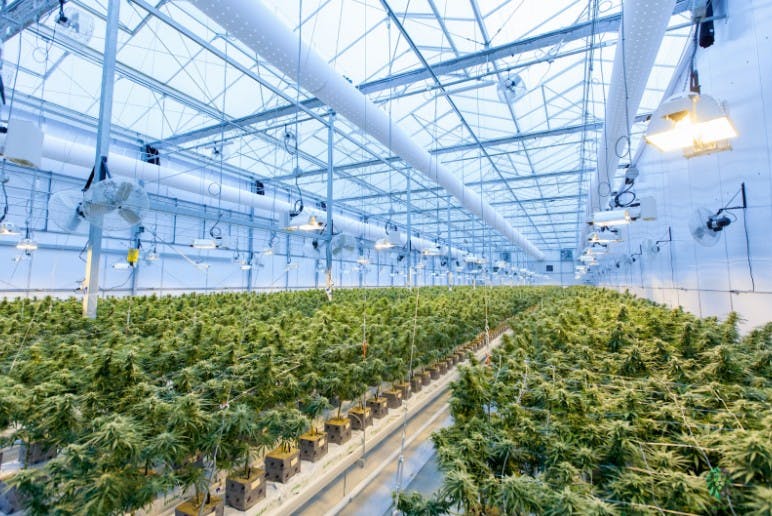
Cannabis flower cultivation is going greener and smarter. Growers are finding ways to reduce environmental impact while using technology to improve consistency and yield. The days of energy-heavy, resource-draining grows are being replaced by sustainable techniques and precision-controlled environments.
Regenerative and low-impact farming are trending
Growers are turning to soil-first approaches that reduce waste and support biodiversity. These practices are changing how the final flower turns out.
- Living soil and regenerative farming support natural nutrient cycling, which helps plants grow without synthetic additives.
- Outdoor and greenhouse growers are leaning into natural pest management instead of chemical-heavy methods.
- Some farms even reuse runoff water and compost plant waste on-site to close the loop.
Consumers are more informed and asking where their flower comes from. Many prefer to support farms using ethical, earth-friendly methods. You’ll start to notice flower being marketed not just by strain, but by how it’s grown, so if you care about sustainability, you’ll have more options to choose from.
Smart greenhouses are changing the game
Technology is now a core part of modern cultivation. Controlled environments are helping brands grow flower that looks, smells, and performs the same every time.
- Smart sensors track light, temperature, humidity, and soil pH around the clock.
- Vertical farms are using stacked systems to grow more plants in less space, without compromising quality.
- Some facilities even use automated systems to adjust light and airflow based on what the plants need.
A 2024 study published in Frontiers in Plant Science highlights how precision-controlled environments can help optimize phytochemical consistency in cannabis, reinforcing why smart greenhouses and indoor farms are gaining ground in 2025. This tech-backed approach leads to better yields and more uniform results, especially in regions where outdoor growing isn’t ideal. It also allows brands to bring you rare strains and small-batch flower year-round.
For an example of how careful cultivation meets standout genetics, take a look at our THCA flower collection. Each product starts with thoughtful growing practices and ends with consistent quality.
What cannabis flower trends are consumers driving in 2025?
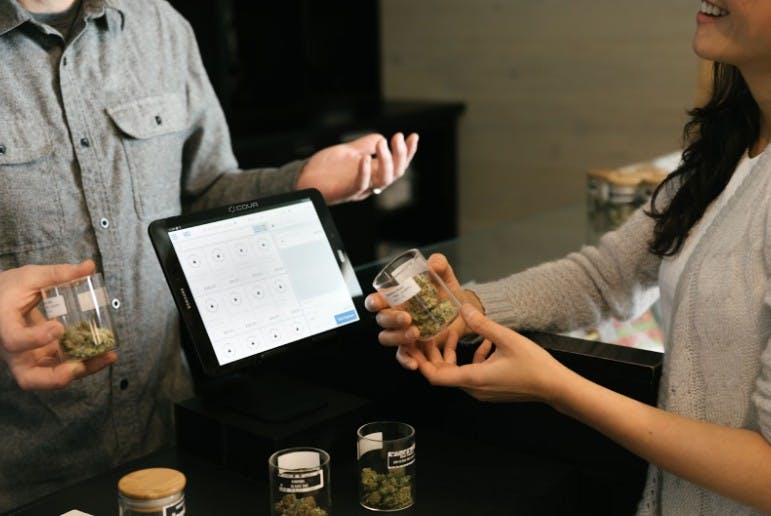
Shoppers in 2025 are making more informed choices. They're looking beyond names and effects. People want flower that feels personal and easy to understand. The result? Brands are shifting toward transparency, education, and more options that suit a wider range of preferences.
Low-THC, high-terpene strains are gaining attention
Rather than choosing based on THC alone, younger buyers are focusing on aroma and overall product composition. According to The Berkeley Beacon, Gen Z prefers cannabis that feels more manageable, with emphasis on how it smells and tastes over how strong it is.
- Low-THC flower formats are on the rise, especially among younger users trying cannabis for the first time.
- Aroma-first options like citrus, pine, and earthy scents are gaining popularity.
- Strains with clear lineage and mild intensity are preferred for casual use.
Microdosing and mix-and-match habits are on the rise
People are buying smaller amounts and exploring variety instead of sticking to one favorite. This approach lets you get familiar with multiple strains over time and find what works for your lifestyle.
- Smaller pre packs or build-your-own assortments are becoming more common.
- Consumers are splitting purchases between indica strains, hybrids, and new cuts.
- Pre rolls are especially popular for sampling, with many shoppers browsing our pre rolls to try a few different options without committing to large quantities.
This mix-and-match mindset is changing how brands curate their menus. It’s about offering flexibility and personalization without overwhelming choice.
Gen Z wants transparency and flavor-first formats
According to a comparative study published on PubMed, Gen Z cannabis use is strongly influenced by online research, community recommendations, and product transparency. They want clear breakdowns not vague categories or buzzwords.
- Brands that list terpene percentages, sourcing info, and testing results are winning trust.
- Gen Z uses online reviews and comparison tools before buying.
- Labeling is becoming more informative, with packaging that supports quick, easy understanding.
Conclusion: Is cannabis flower still relevant in 2025?
Cannabis flower is evolving with new formats, better labeling, and smarter cultivation, but it's still a central part of how people shop and learn about cannabis.
The flower category is adapting to modern preferences. From data-backed growing practices to terpene-first shopping tools, everything’s becoming more intentional. You’re getting more options, more transparency, and more ways to find what fits your style.
Looking ahead, here’s what you can expect:
- More flower products built around clear terpene profiles and consistent growing methods.
- Labels that explain what’s inside, not just how it might be categorized.
- Pre rolls and mix packs that offer convenience and variety without the guesswork.
- A retail experience that puts education first, especially for newer shoppers.
If you're ready to explore these changes, our THCA flower selection is always evolving with them. Cannabis flower in 2025 is shaped by you—your curiosity, your standards, and your demand for products that make sense.
Frequently Asked Questions
The biggest shifts involve better transparency, terpene labeling, and data-driven growing. Flower isn’t being judged by just strain names anymore—shoppers are looking at how it's cultivated and what terpenes it contains. Smart farming practices are making flower more consistent from one batch to the next. You're also seeing more variety in packaging and retail formats.
Terpenes are naturally occurring compounds in cannabis that affect aroma and flavor. Many consumers are realizing that THC levels don’t tell the full story. Instead, terpene variety helps them choose flower that fits their personal preferences. In 2025, terpene content is often the first thing listed on packaging, not the last.
Gen Z buyers are research-driven and prefer products with clear sourcing and full transparency. They’re not loyal to high-THC products but are drawn to flower that has a distinct aroma and heritage. Their shopping habits are pushing brands to provide more mix packs, terpene details, and interactive education. According to recent studies, Gen Z prefers formats that are small, simple, and easy to compare.
THCA flower contains tetrahydrocannabinolic acid in its raw form, which is found in the plant before it undergoes heat or processing. It’s often chosen for its fresh, unaltered profile and how it's grown and harvested.
Yes, many brands are now focusing on small-batch growing to offer better control over quality and consistency. These limited releases often highlight rare phenotypes or legacy genetics. Shoppers appreciate the care behind these products, especially when brands provide full details about how and where it was grown. This trend is also linked to a growing interest in sustainability and craft production.
In 2025, pre rolls and smaller-size flower packs are seeing more demand than bulk containers. Pre rolls let shoppers try different strains without a large commitment. This format is especially popular with Millennials and Gen Z.
Brands are investing in tools like AI-powered menus, automated grow systems, and QR-coded packaging. These tools make it easier for you to learn about your flower before purchase. AI is even being used to make recommendations based on your past preferences or terpene interests. These features help personalize your shopping experience without overwhelming you.
There’s a shift away from playful or youth-targeting names. Instead, brands are leaning into heritage names, botanical references, and detailed lineage information. Strain names are now accompanied by terpene data and cultivation methods. This approach helps consumers compare products more accurately and confidently.
Yes, cultivation is becoming more sustainable and science-backed. Growers are adopting regenerative farming, smart greenhouses, and vertical systems to improve resource efficiency. Studies in plant science confirm these techniques help create more consistent phytochemical profiles. This is good news for shoppers who care about both quality and environmental impact.
Cannabis flower continues to be a top choice among adult users, despite the growth of vapes and edibles. It’s still the starting point for many who want to understand strain differences and product variety. The category is expanding, not shrinking, offering more formats, detailed labels, and strain types than ever before. That’s why you’ll continue to see flower front and center in most product menus.
Share


